


Forex trading strategies are essential tools for any trader looking to navigate the volatile currency markets. With the right approach and a solid strategy, traders can effectively manage risks and optimize their potential profits. If you’re dreaming of becoming a successful forex trader, you can find useful resources on forex trading strategies https://ex-zar.com/. In this article, we will explore various strategies that can suit different trading styles and risk appetites.
Understanding Forex Trading
The foreign exchange market, or forex, is the largest financial market in the world, where currencies are traded. It operates 24 hours a day, five days a week, providing ample opportunity for traders to enter and exit positions. However, its volatility and liquidity can make it challenging, especially for beginners. Therefore, having a well-defined trading strategy is key to navigating this landscape successfully.
Types of Forex Trading Strategies
1. Scalping
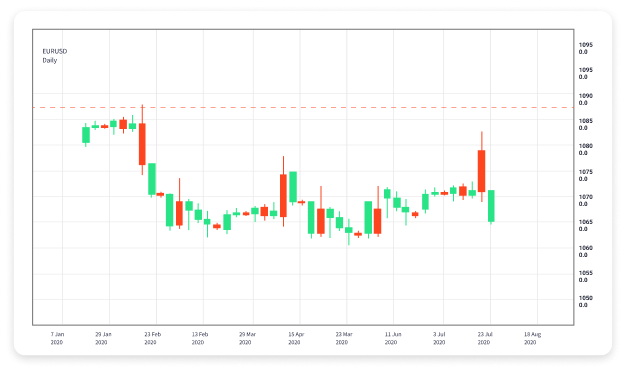
Scalping is a short-term trading strategy that aims to exploit small price movements. Traders who use this strategy, known as scalpers, typically enter and exit trades quickly—sometimes within seconds or minutes. Successful scalping requires a high level of focus, quick decision-making, and a robust risk management strategy. Scalpers often use technical analysis and rely on charts to spot potential trading opportunities.
2. Day Trading
Day trading involves buying and selling currency pairs within the same trading day. Day traders aim to capitalize on intraday price movements while avoiding overnight risks. This strategy requires significant time commitment and involves technical analysis to identify trends and price patterns. Effective day traders often use various indicators and charting techniques to make informed decisions.
3. Swing Trading
Swing trading is a medium-term strategy that focuses on capturing price moves over several days or weeks. Swing traders typically use both technical and fundamental analysis to identify market trends. They hold positions longer than day traders but shorter than long-term investors, aiming to profit from potential reversals or continuations in trends.
4. Position Trading
Position trading is a long-term strategy where traders hold positions for weeks, months, or even years. This strategy is primarily based on fundamental analysis, as traders look at macroeconomic factors that could influence currency pairs. Position traders are less concerned about short-term volatility and focus on long-term trends, making it suitable for those who prefer a more relaxed approach to trading.
Key Components of a Successful Forex Strategy
1. Risk Management
Effective risk management is crucial in forex trading. It involves determining how much of your trading capital you’re willing to risk on a single trade and setting appropriate stop-loss orders to protect yourself from significant losses. Successful traders often risk only a small percentage of their total capital on each trade, ensuring they can survive a series of losing trades.
2. Market Analysis
Market analysis can be broadly categorized into two types: fundamental analysis and technical analysis. Fundamental analysis involves evaluating economic indicators, geopolitical events, and other factors that can impact currency values. On the other hand, technical analysis focuses on price movements, historical data, and trading volumes to predict future price action. A comprehensive approach often incorporates both types of analysis.
3. Trading Plan
Creating a trading plan is vital for every trader. A trading plan outlines your trading strategy, including entry and exit points, risk-reward ratios, and rules for managing trades. By having a clear plan, you can eliminate emotional decision-making, stay disciplined, and ensure that your trading activities align with your long-term goals.
4. Continual Learning
The forex market is constantly changing, and successful traders are those who adapt to market conditions. Continual learning through courses, online forums, and webinars can enhance your trading skills. Additionally, practicing with demo accounts allows you to test and refine your strategies without risking real capital.
Popular Technical Indicators
Many traders use technical indicators to help guide their trading decisions. Some of the most popular indicators include:
- Moving Averages: Used to identify trends by smoothing out price data over a specific period.
- Relative Strength Index (RSI): A momentum oscillator that measures the speed and change of price movements to identify overbought or oversold conditions.
- MACD (Moving Average Convergence Divergence): A trend-following momentum indicator that shows the relationship between two moving averages of a security’s price.
- Bollinger Bands: A volatility indicator that consists of a middle band (simple moving average) and two outer bands to indicate potential price levels.
Conclusion
Mastering forex trading strategies requires patience, practice, and a commitment to continual improvement. Whether you choose to scalp, day trade, swing trade, or position trade, the key is to develop a strategy that aligns with your trading style and risk tolerance. Implementing sound risk management practices and maintaining a disciplined approach will significantly increase your chances of success in the dynamic forex market. Remember, every trader has their unique journey, and learning from your experiences is invaluable in honing your trading skills.
